Pizza looks simple until you set a foldable New York slice, a Detroit square, and a Chicago deep dish next to each other. At that point, the differences are hard to ignore, and the real question surfaces: how did one dish end up so many different ways?
Regional pizza styles in the United States were never planned. They grew from immigration waves, local ingredients, neighborhood ovens, and decades of shifting food habits. In this blog, we’ll break down crust, sauce, cheese, toppings, and the cultural forces that gave each style its shape.
Why America Has So Many Regional Pizza Styles
Pizza history in America begins with Italian immigrants who brought their baking traditions to cities like New York, Chicago, and New Haven in the late 1800s and early 1900s.
Each community adapted what they knew to what they could actually get, meaning local flour, regional cheese supplies, and whatever ovens were already in the building. The result was a patchwork of distinct local habits that settled into tradition.
Bar culture in the Midwest shaped tavern-style pies. Delivery trends pushed lighter, faster-baking crusts in the suburbs. Dense urban neighborhoods built a grab-and-go slice format out of necessity.
Style labels have always been a little contested. Recipes shift by city, by shop, and by generation, so what one neighborhood calls authentic, the next calls a variation.
Essential Regional Pizza Styles in the United States
Here’s a closer look at some of the best-known regional pizza styles in the United States, including what sets each one apart and how it came to be. This isn’t meant to suggest that any one pizzeria serves every style mentioned here.
New York-Style Pizza
New York-style is the most familiar East Coast reference point in American pizza. Wide, thin, foldable slices with a crisp-chewy crust, bright tomato sauce, and a generous pull of mozzarella define the format.
Street-slice culture made it fast and affordable. You fold it, you eat it while walking, and the slice is gone before you reach the next corner.
New Haven Apizza
Pronounced “ah-beetz,” New Haven apizza is charred, thin, and chewy, baked in a coal oven that gives the crust a slight bitterness and an irregular, uneven shape.
Pizza history runs deep here, with some shops tracing their roots back nearly a century. One famous variation skips tomato sauce entirely and goes white, which shows how flexible this regional style can be.
Chicago Deep Dish and Chicago Tavern-Style
Chicago is not only deep dish, and that point deserves emphasis. Deep-dish builds in layers in a tall pan: cheese first, then toppings, then a thick tomato sauce poured over the top. It is a slow, filling meal.
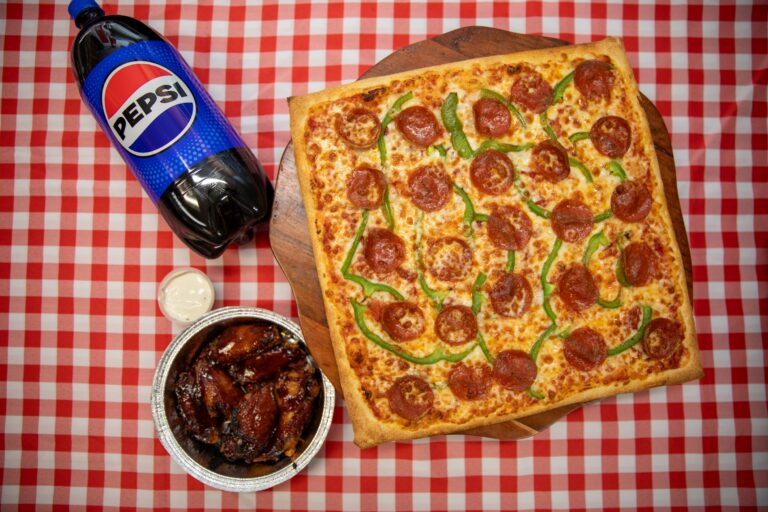
Chicago tavern-style goes the opposite direction, thin, crisp, square-cut, and built as a bar snack. Both are genuine regional variations with loyal followings and very different eating experiences.
Detroit-Style Pizza
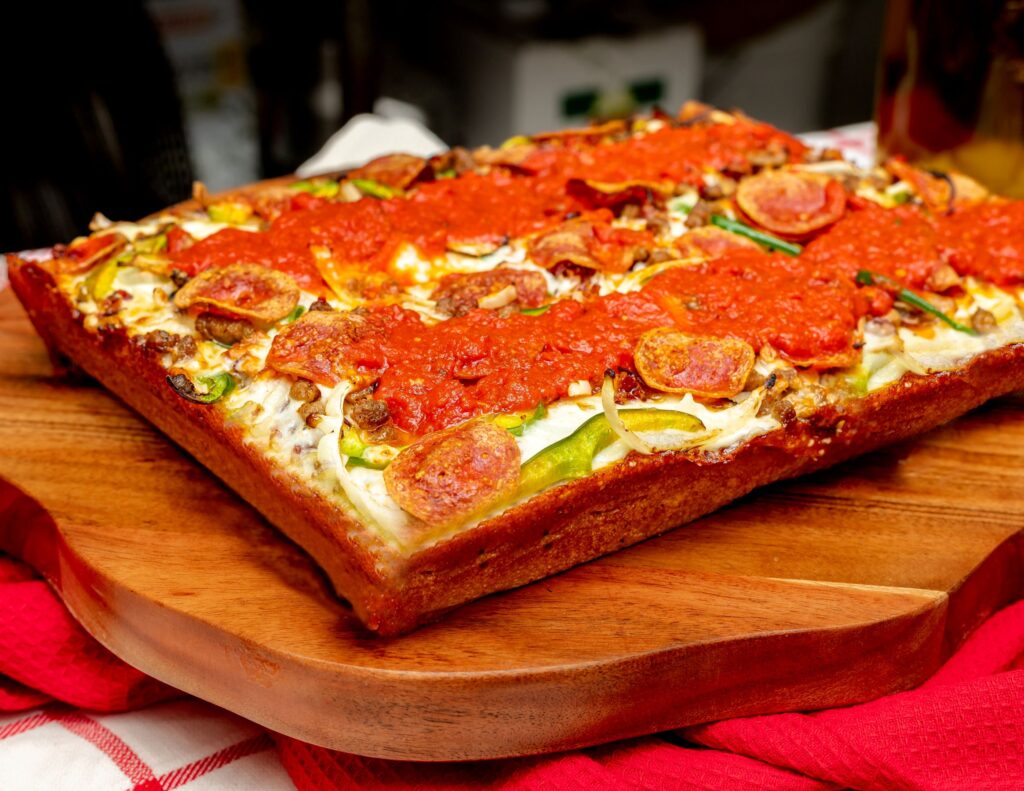
Detroit-style pizza is one of the strongest pizza trends in America over the past decade. It bakes in a rectangular steel pan, producing an airy, chewy interior with deeply caramelized cheese edges that crisp against the sides.
Sauce goes on top of the cheese rather than underneath. Its national popularity spread fast once food media and major chains started giving it attention.
St. Louis-Style Pizza
St. Louis-style is built on a thin, cracker-like crust that is usually unleavened. The pizza ingredients that define it include a signature local cheese blend, a slightly sweet sauce, and a square cut known locally as party cut.
It has a fierce local identity and tends to divide people into firm fans or firm skeptics the first time they encounter it.
California-Style Pizza
California-style is less about any single-crust rule and more about the cultural influences on pizza from farm-to-table dining and chef-driven kitchens in the 1980s.
Fresh produce, lighter builds, and unexpected topping combinations became the signature. The style reflects California’s broader food culture more than any specific dough or sauce formula.
Sicilian and Grandma Pizza
Both Sicilian and Grandma pies are square or rectangular with a thicker base baked in an oiled pan, and both carry bakery-style roots. The difference is subtle. Sicilian pies tend to be taller and airier.
Grandma’s pizza sits denser with a crispier bottom from more oil in the pan. These regional pizza styles are often confused, but they are not the same thing.
D.C. Jumbo Slice
The D.C. jumbo slice is a local late-night institution, especially in neighborhoods like Adams Morgan. These oversized New York-style slices sell from walk-up windows, built for the post-midnight crowd.
As regional variations go, this one was shaped entirely by the city’s late-night culture, not by any particular baking tradition.
That same neighborhood-first pizza culture is part of what makes Manny & Olga’s feel so familiar across the area, from DC spots like 14th and T St NW, H St NE, Rhode Island Ave NE, and Hill East SE to nearby Maryland communities like Bethesda, Silver Spring/Takoma Park, and Wheaton/Kensington.
Toppings That Help Define Regional Pizza Styles
Toppings reflect local taste, immigrant influence, and the structure of the crust underneath them. A thin crust handles toppings differently than a pan pizza does, and regional traditions built specific combinations around what actually works with their base.
Pepperoni and Sausage
Pepperoni and Italian sausage are the most consistent toppings across New York-style, tavern-style, pan pizza, and classic American pies. They are crowd-safe, familiar, and widely available. Ground beef and meatballs fit the same category as hearty, meat-forward choices that appear across many American pizza traditions.
Anchovies and Old-School Salty Toppings
Anchovies carry a long history as a classic topping across Italian-American pizza traditions. They generate strong opinions and represent the kind of regional specificity that makes pizza history worth paying attention to.
Vegetables, Olives, and Peppers
Vegetables like mushrooms, green peppers, onions, spinach, broccoli, and eggplant support Greek-style, California-style, and veggie-forward pies.
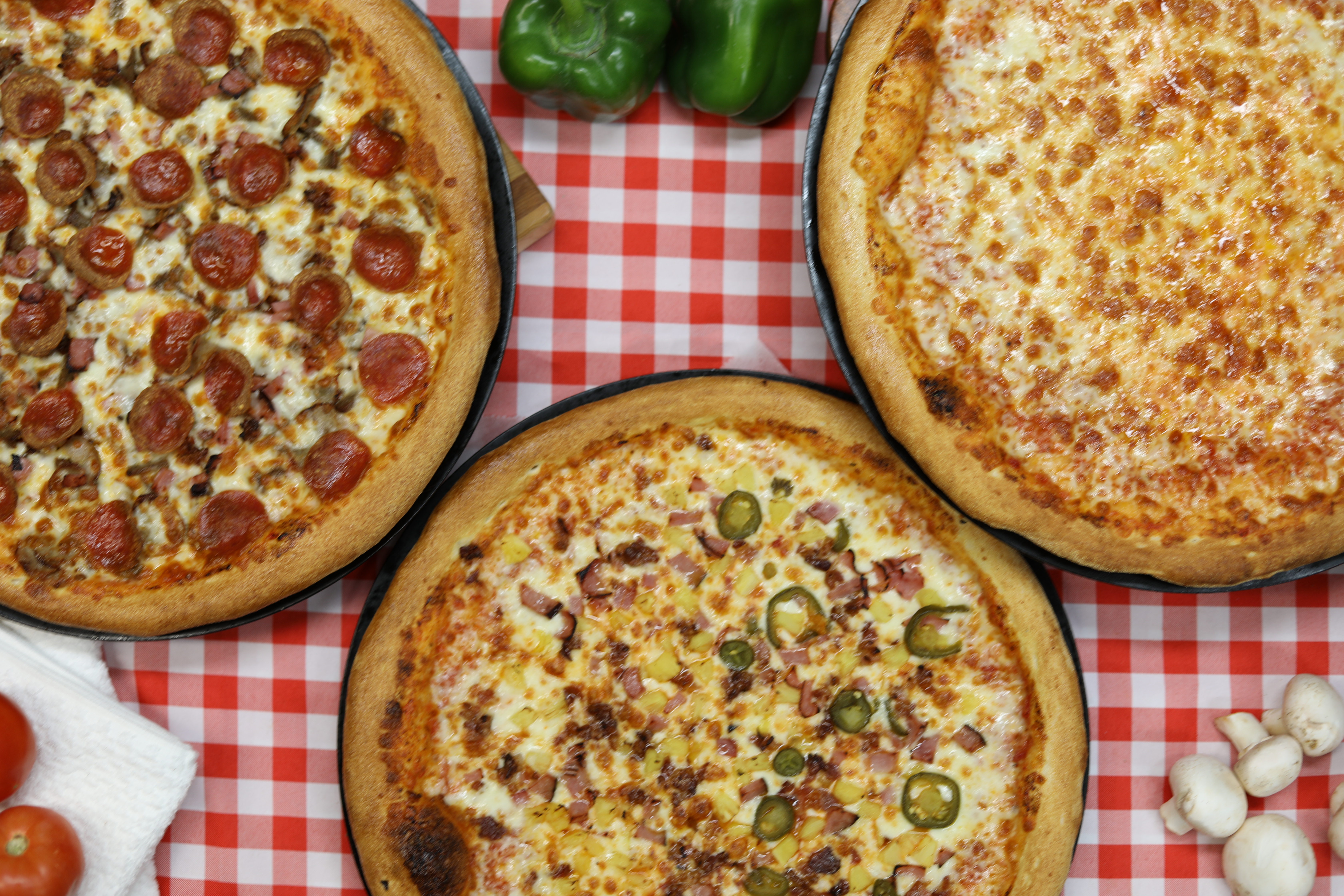
Black olives, green olives, jalapeños, and banana peppers add layers of flavor that work on both thin crusts and loaded pan pies. These toppings reflect how local produce and cultural preferences shape what ends up on a pizza.
Ricotta, Feta, and White Pizza
Cheese choices can shift a pizza from classic red-sauce territory into something entirely different. Ricotta adds a creamy, mild layer that defines white pizza.
Feta brings a salty, tangy bite that ties a pie to Greek-inspired flavor profiles. Ricotta and feta are also good examples of how regional variations can move beyond the standard mozzarella-and-red-sauce formula.
That is why toppings are never just add-ons. They help explain where a pizza comes from, how it is meant to be eaten, and why one region’s “classic” can feel completely different from another’s.
FAQs
What are the most famous regional pizza styles in the United States?
New York, New Haven, Chicago deep dish, Chicago tavern-style, Detroit, St. Louis, California, Sicilian, and Grandma pizza are some of the best-known styles.
What makes one regional pizza style different from another?
Crust, shape, sauce placement, cheese, toppings, oven style, and local food culture create the biggest differences.
Is Chicago pizza only deep dish?
No, Chicago is also known for tavern-style pizza with a thin crust and square cut.
Which pizza toppings are most common across U.S. styles?
Pepperoni, sausage, mushrooms, onions, peppers, olives, and extra cheese appear across many American pizza styles.
Does every pizza Pizzeria serve every regional style?
No, most pizzerias specialize in their own menu, so you should check the official menu before assuming a style or topping is available.
Bring the Regional Pizza Tour Back to Your Own Table
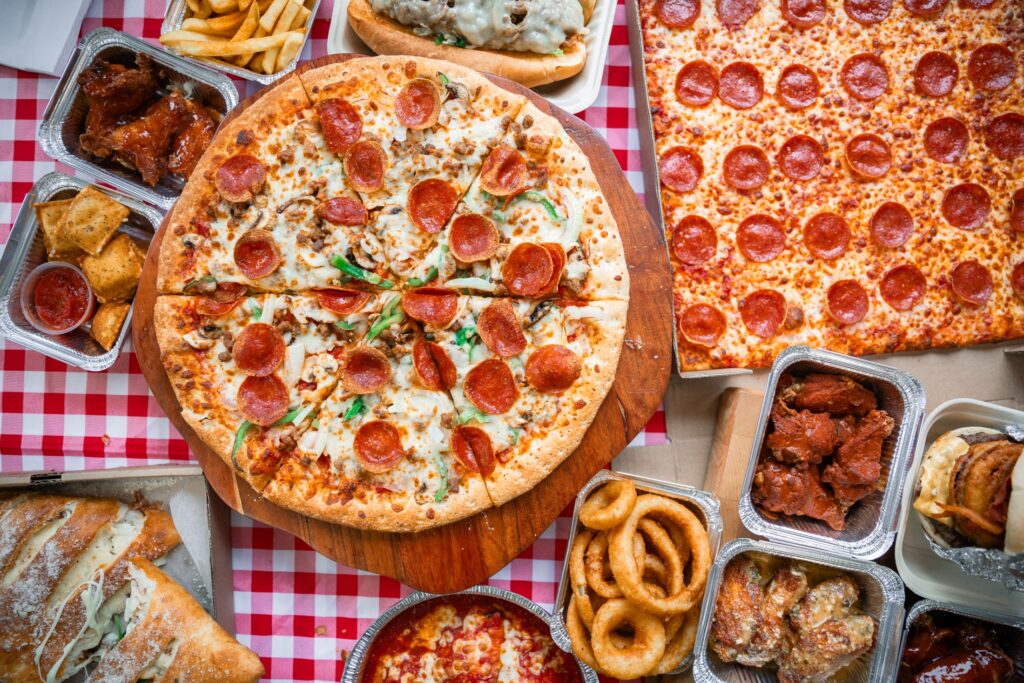
Every regional pizza style tells a story through its crust, sauce, cheese, toppings, and the community that shaped it. From the foldable New York slice to the caramelized edges of a Detroit pan pizza, each one reflects a specific place and a specific way of eating.
You do not need to cross the country to think more carefully about pizza night. In Washington, DC, and nearby Maryland communities, we offer dough made from scratch daily, a wide range of toppings, specialty pizzas, wings, calzones, and more, available for carryout, delivery, or catering. Use what you picked up from regional styles to build the kind of pizza order you are craving tonight.
Order online at Manny & Olga’s Pizza around the flavors, toppings, and comfort-food mood you want tonight.