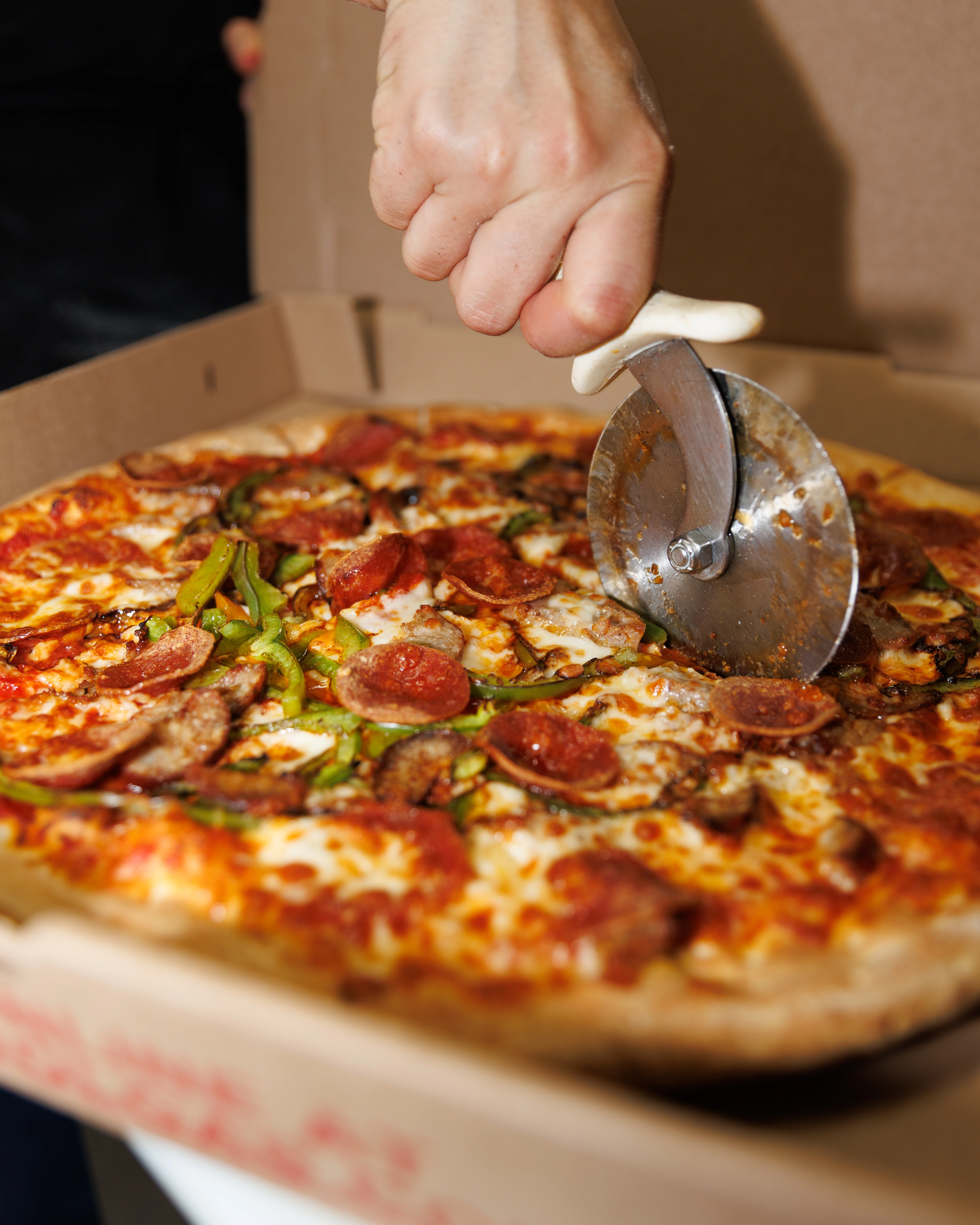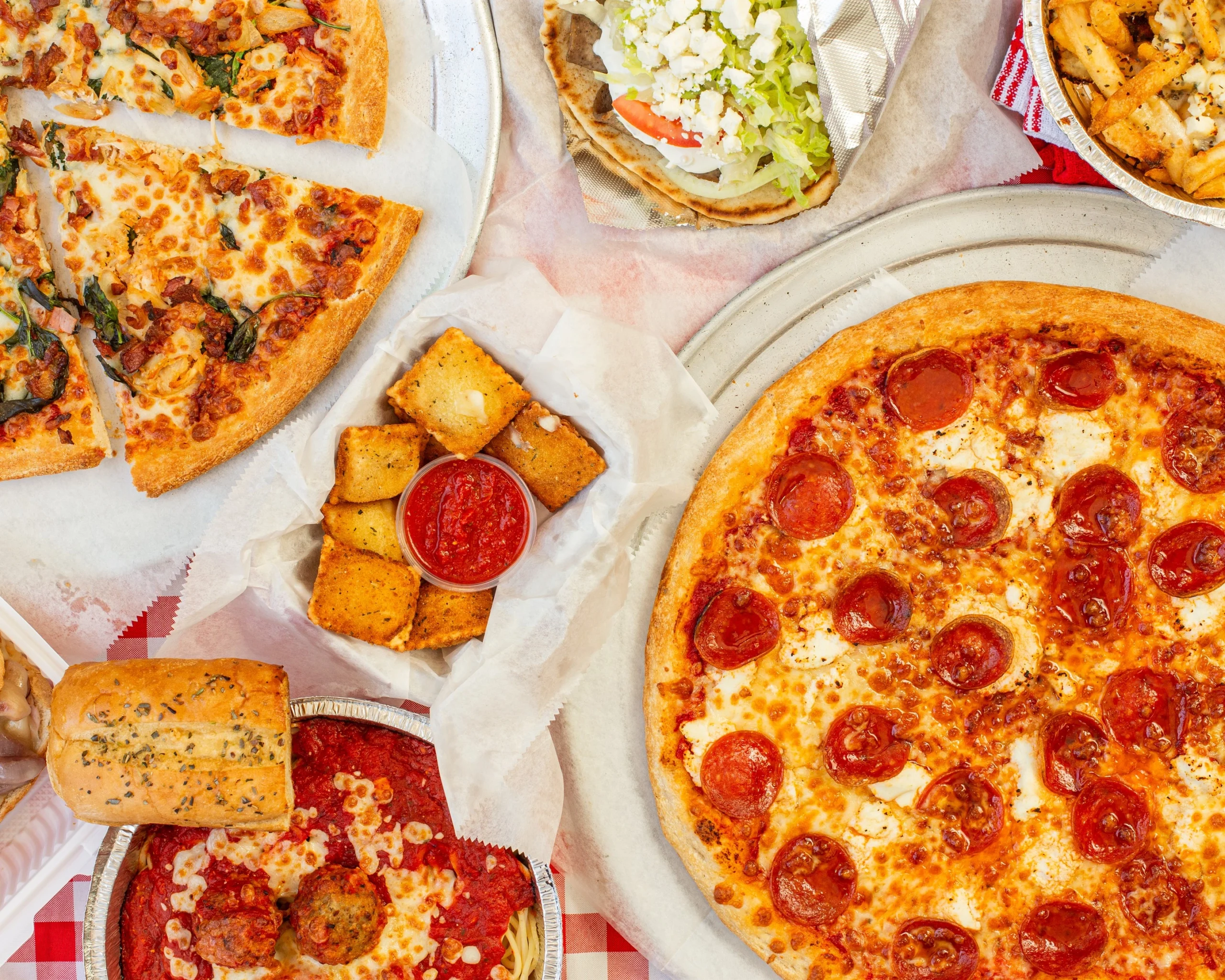
Almost everyone loves pizza. Whether you’re a team thin crust or deep dish, a pineapple-on-top rebel, or a classic Margherita loyalist, there’s a slice for everyone. But have you ever paused mid-bite and wondered where this glorious food even came from?
The history of pizza is far more interesting than just being your favorite stuffed-crust treat in the middle of the night. It started as a humble flatbread and has now gone on to become a global icon. Found literally everywhere from Michelin-star restaurants to late-night college dorm cravings. The origin of pizza spans across ancient empires, royal palates, immigrant dreams, and pop culture milestones.
So grab a slice (or two), and let’s dig into 10 surprising facts that trace the cheesy, saucy, and irresistible journey of pizza through time.
#1 Ancient Flatbreads Were Pizza’s Earliest Ancestors
Before pizza had its cheese pulled, ancient civilizations were already onto something delicious. In ancient Egypt, people baked flatbreads topped with herbs. Persian soldiers used their shields to cook flatbreads with cheese and dates around 500 BC; it was basically an ancient battlefield snack. The Greeks had plakous, a flatbread garnished with oils, garlic, and cheese. And the Romans loved focaccia-style breads seasoned with spices and honey.
These early creations may not have had our modern twist of melty mozzarella or the tangy tomato sauce, but they set the stage for what would eventually become THE pizza. The origin of pizza is understood by the whole world as a craving for warm, satisfying carbs topped with wholesome veggies. Humanity has clearly always had a knack for good food.
#2 The First Use of the Word “Pizza” Was in 997 AD
It wasn’t until the year 997 AD that the word “pizza” made its first appearance on paper. A document from Gaeta, a small town in Italy, recorded a feudal agreement where a tenant owed the local bishop “12 pizzas” every Christmas and Easter. That’s right, pizza was already a valuable form of payment, crazy, right?
This document gives us a historical breadcrumb (pun intended) into the history of pizza, and it’s kind of poetic. Even a thousand years ago, pizza was seen as something worth trading, sharing, and celebrating. Beautiful to think, truly.
If reading all this has got you craving a slice of cheesy pizza, you’ll be happy to know we also offer pizza catering; check if we’re serving hot, cheesy history near your location.

#3 Naples Perfected Pizza in the 18th Century
While earlier societies laid the foundation, it was Naples in the 1700s that truly gave birth to the pizza we know and love today. Back then, Naples was a bustling port city filled with working-class men looking for cheap, filling food that gave them quick energy and was also easy to carry. Enter: pizza. Made with simple ingredients like tomato, garlic, oil, and anchovies, it was sold on the streets and devoured by the masses.
When mozzarella was introduced and paired with tomato, the combination was absolutely mouth-watering. The history of pizza took a turn from a common flatbread to a culinary legend. Naples gave pizza its true identity, and we owe our modern-day obsession to those hard-working street vendors.
#4 Pizza Margherita Was Made for a Queen
In 1889, Queen Margherita of Savoy visited Naples. To honor her, pizzaiolo Raffaele Esposito cooked up a pizza featuring red tomatoes, white mozzarella, and green basil representing the Italian flag. It was patriotic, flavorful, and a royal hit.
Thus, Pizza Margherita was born. This tasty dish quickly became a symbol of national pride. This queen-approved recipe added a touch of royalty to the history of pizza and is still one of the most devoured flavors consumed in the world today.
#5 Tomatoes Were Once Thought to Be Poisonous
It’s wild to think about, but the beloved tomato was once feared across Europe. Imported from the Americas in the 1500s, tomatoes were believed to be toxic due to their relation to the nightshade family. It took Europeans nearly two centuries to come around.
Once tomatoes were embraced and widely used in southern Italy, they became an essential ingredient in the origin of pizza. Without this ingredient shift, we might still be eating dry flatbreads instead of the saucy and cheesy miracle we all love so dearly now.
#6 Pizza Crossed the Ocean With Italian Immigrants
The history of pizza took a major leap when Italian immigrants brought their recipes to the United States in the late 19th and early 20th centuries. Pizza was initially sold in immigrant neighborhoods, small bakeries, and family-owned shops. They were crafting authentic pies for fellow Italians, but soon enough, the magic spread. New York fell in love. Chicago gave it a deep-dish spin. Pizza began its American journey not as a fast-food dish like now, but as a cherished link to home. Immigrants were sharing culture, identity, and comfort in the form of food.
#7 America’s First Pizzeria Opened in 1905
Lombardi’s, the first licensed pizzeria in the U.S., was opened by Gennaro Lombardi in Manhattan’s Little Italy. He first started by selling tomato pies wrapped in paper, cut from a large tray, and sold by the slice to factory workers.
Still in operation today, Lombardi’s is a slice of the living history of pizza. It represents the moment pizza truly embedded itself in American life and kicked off the passion that would eventually become a multi-billion-dollar industry.
#8 WWII Helped Pizza Go Mainstream in the U.S.
American soldiers stationed in Italy during World War II tasted pizza, and their whole lives changed. Once home, they craved the crispy crust, melty cheese, and tangy sauce they experienced overseas.
Pizzerias began opening up to meet this demand, and pizza became a staple of American life. From military memories to Friday night dinners, the origin of pizza in the U.S. has officially gone mainstream.
#9 Pizza-Making Is a UNESCO Cultural Treasure
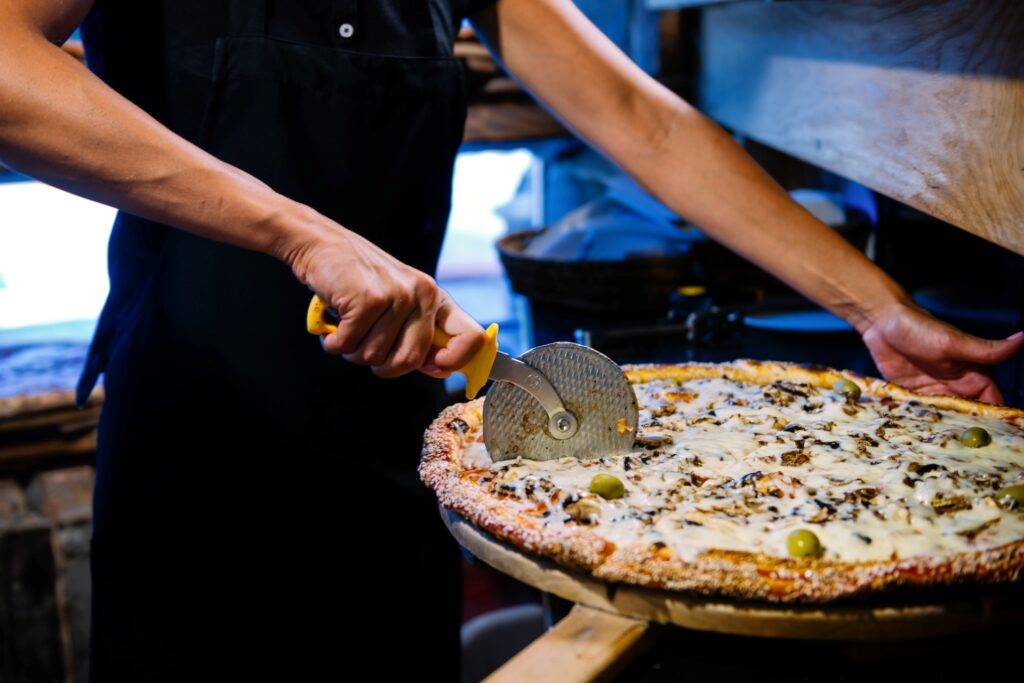
In 2017, the world officially recognized what Naples had long known: pizza-making is an art form. UNESCO added the traditional art of the Neapolitan “pizzaiuolo” to its Intangible Cultural Heritage list.
This global nod was about heritage, skill, and community. The history of pizza is now celebrated as a cultural contribution on par with classical music, fine art, and dance.
Yes, making pizza the old-school Neapolitan way is actually on the UNESCO Cultural Heritage List, now that’s some serious recognition.
#10 Pizza Is Always Evolving
While Neapolitan roots hold strong, pizza is a chameleon. In Japan, you’ll find squid and mayo toppings. In Brazil, green peas are popular. Detroit gave us the cheesy, crispy-edged square pizza. Even vegan and gluten-free versions are taking center stage.
The origin of pizza may lie in the ancient ovens of the Mediterranean, but its future is as diverse as the people who love it. Every new topping, crust style, and fusion flavor is another achievement in pizza’s never-ending story.
Conclusion: More Than a Slice, It’s a Story
So there you have it: 10 bite-sized facts that show just how incredible the history of pizza really is. From the origin of pizza as ancient flatbreads to royal upgrades and worldwide fame, it’s a story of culture, migration, invention, and passion, all baked into one golden crust.
Whether you’re a loyal fan or trying it for the first time, Manny & Olga’s is more than just a pizza stop; it’s a local legend.
Want to taste the history yourself? Manny & Olga’s is proud to carry on the tradition, serving up classics and bold new flavors, one delicious slice at a time.Explore our full pizza menu and discover how we’re honoring the origin of pizza with every bite.