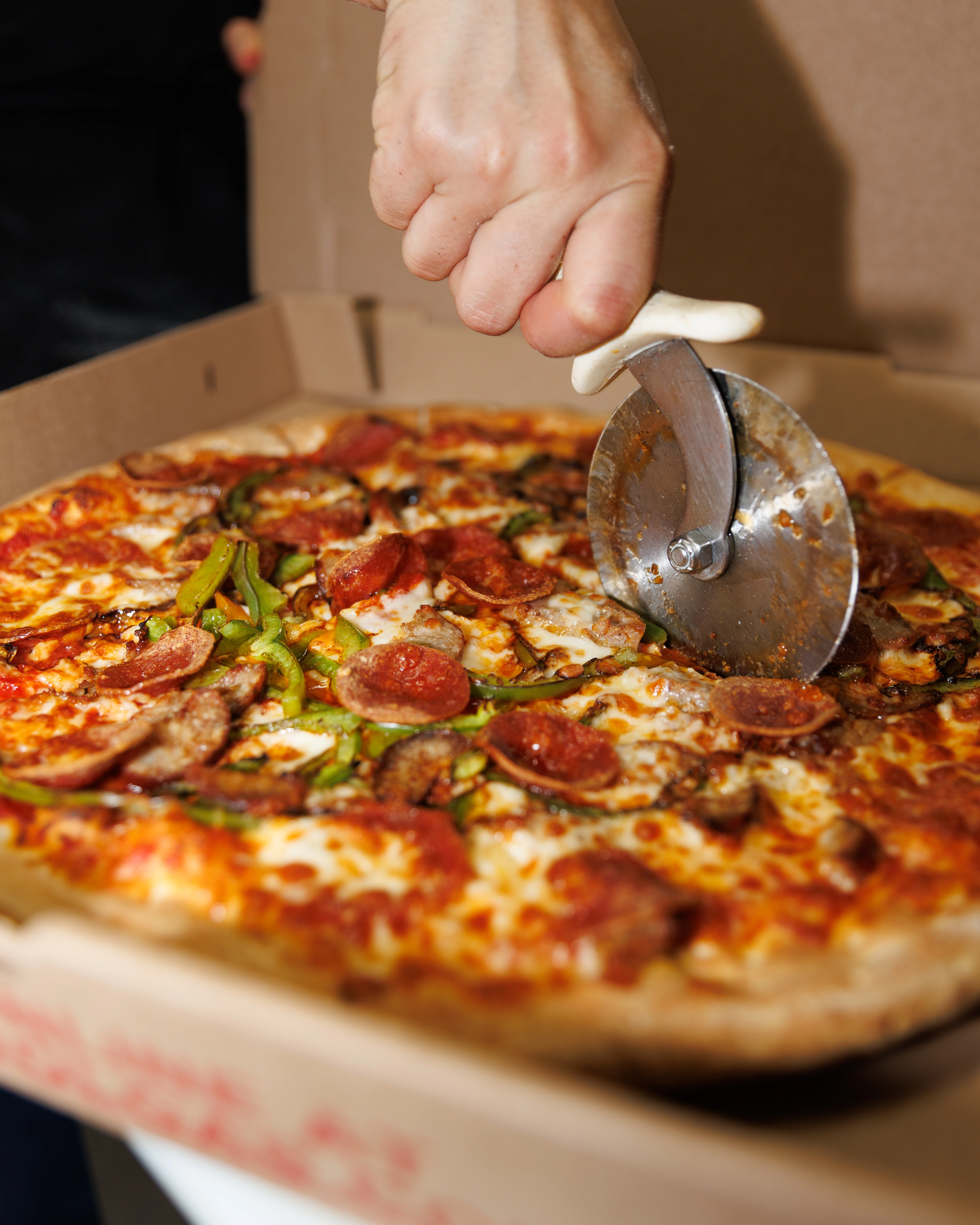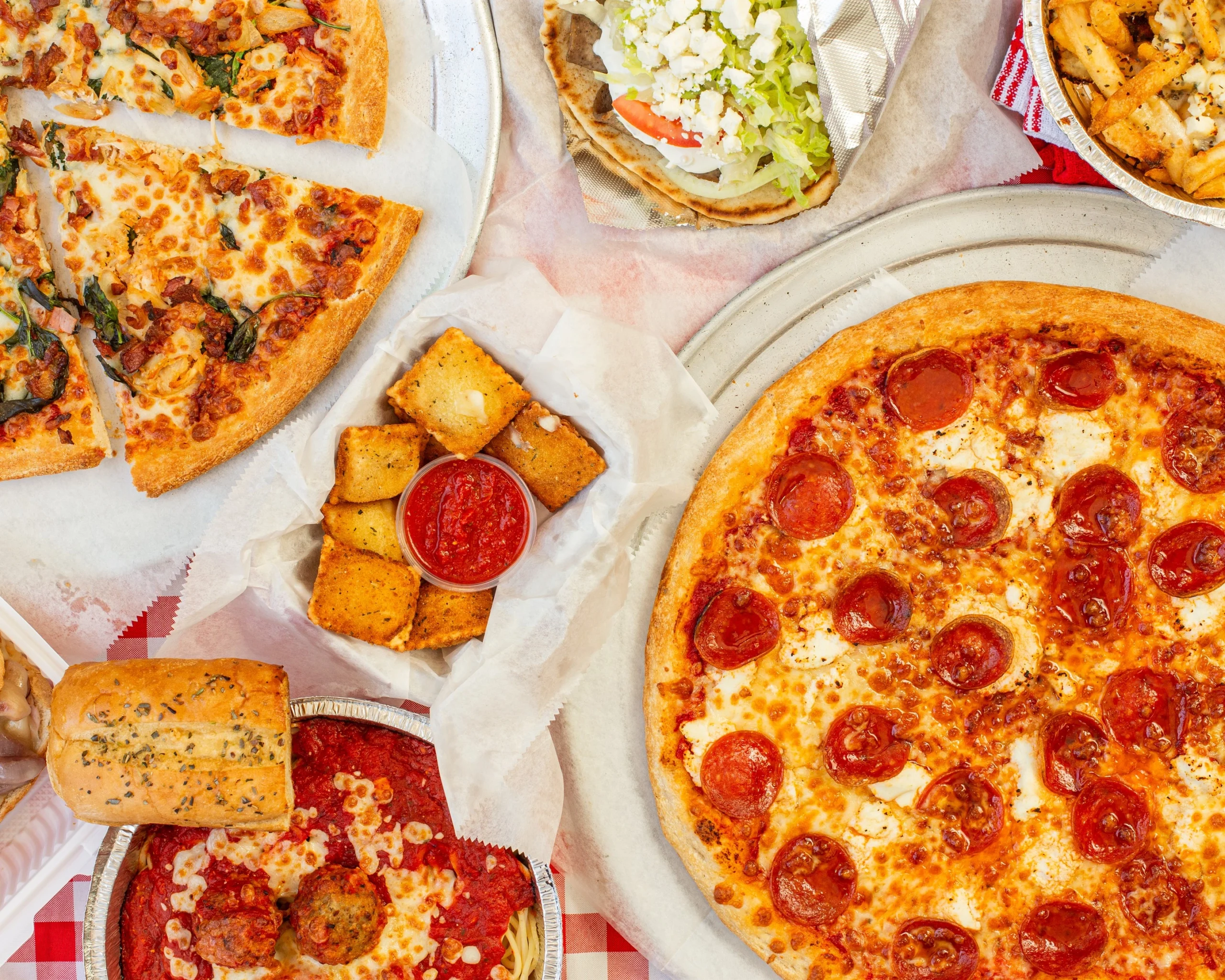
Picture if you one day take a bite of pizza and your whole brain goes, “Wait, what was that?” The crust is crisp yet fluffy; there’s this subtle tang that keeps calling you back, and somehow it all just works. That’s the magical dough doing its thing.
Most people think pizza is about the toppings. More cheese, more pepperoni, pineapple, or no pineapple. But the crust is actually the unsung hero. The whole story begins and ends with pizza dough. And the biggest plot twist of all, the one that separates “meh” pizza from “oh-my-gosh-call-my-friends-right-now” pizza is something called cold fermentation.
In this blog, we will learn how this little technique is like giving your dough a spa retreat. We’re about to unlock the secret world of pizza dough fermentation, and once you know it, you’ll never look at a slice the same way again.
What Makes Pizza Dough Special?
Let’s talk about why dough is more than just a blank canvas. It’s not just “stuff you put sauce and cheese on.” It’s the entire vibe of your pizza party. Here’s why:
- Flour: Flour, water, yeast, and salt. That’s it. Just four humble ingredients. But together they’re like the Avengers assembling to save your taste buds.
- Yeast: Yeast isn’t just there for bubbles; it’s painting flavor on your dough. It feeds on the flour’s sugars, releasing gases that puff it up like a pillow and giving you that chewy, airy bite. That’s pizza dough fermentation at work.
- Flavor: Rush the process and you’ve got a flat, flavorless crust. But give it time, and suddenly your dough has personality; nutty notes, a little tang, that satisfying chew.
- Texture: You know those crusts with gorgeous air pockets, a soft interior, and a crisp outer edge? That’s fermentation being allowed to shine.
Moral of the story: dough isn’t just holding the toppings. It is the pizza. We think everyone should treat it like the star it is.
Cold Fermentation Explained
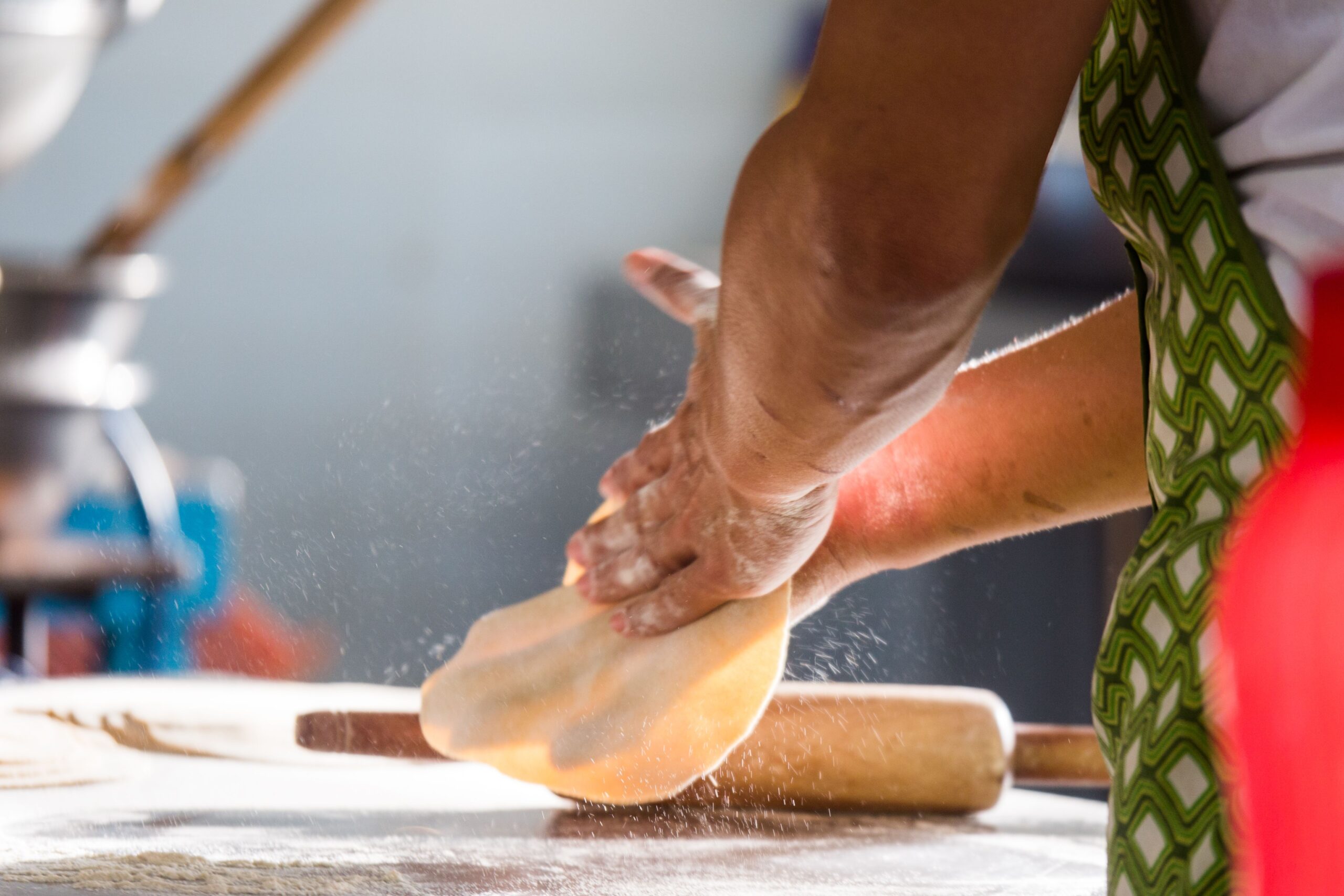
Why does everyone from home bakers to pro pizzerias swear by cold fermentation?
Think of it this way: you’ve got two options for letting your dough rise.
- Quick-rise method: Room temperature, 1-3 hours. The yeast throws a fast party, gets tipsy on sugars, and then collapses. Sure, you’ve got dough, but it’s kind of one-dimensional.
- Cold fermentation method: Into the fridge it goes, chilling for 24 to 72 hours. The coolness makes yeast take it slow. Flavor builds bit by bit, quietly. Think of how drip coffee tastes deeper than a quick shot from hot water.
Chill the dough; the yeast slows way down. Starch turns to sugar, while gluten gets tougher, and flavor starts to pop. What do you get? A dough full of depth, chew, and real taste.
Why Cold Fermentation Improves Flavor
This is when things actually get interesting:
- Flavor Fireworks: Slow fermentation lets the dough develop depth. You taste not only bread but also faint sweetness, a mild tang, and a flavor that stays in the mouth like a symphony instead of a kazoo.
- Chewy but Airy: Cold-fermented dough develops stronger gluten. That means when it bakes, you get crust with those irresistible bubbles, chewy insides, and a crisp outside. Basically, the dream crust.
- Golden Glow-Up: Those sugars created during long fermentation don’t just sweeten the dough; they caramelize in the oven. That’s why cold-fermented dough browns into that picture-perfect, golden crust.
- Chef’s Kiss Approved: So many pizzerias like Manny and Olga’s rely on this method. We know if you want customers to close their eyes while eating a slice (you know the moment), it’s gotta be cold fermentation.
You’ll never settle for bland, rush-job crust again once you taste the difference.
The Process: How to Cold Ferment Pizza Dough
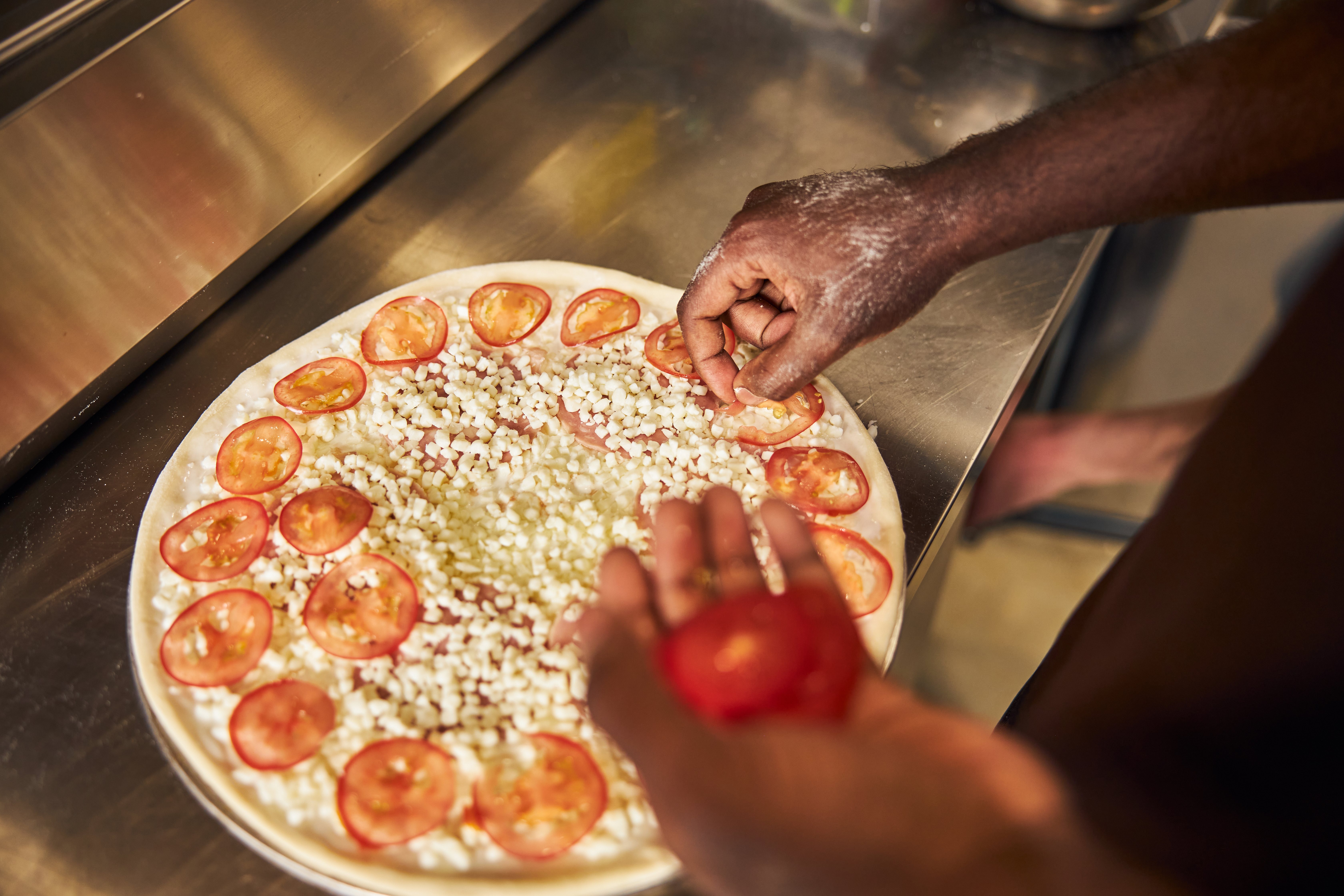
Alright, enough theory. Let’s roll up our sleeves. Making cold-fermented dough at home is easier than you think. Here’s our foolproof guide:
- Step 1: Mix It Up
Flour, water, yeast, salt. Stir it. Knead it. Feel that sticky, stretchy dough come to life in your hands. This is the moment where pizza dreams are born. - Step 2: A Little Rest
Leave it on the counter for 20 minutes. The yeast rises and says, “Let’s get started.” - Step 3: Chill Time
Pop that dough in a lightly oiled container, cover it, and slide it into the fridge. Let it relax there for anywhere between 24 and 72 hours. - Step 4: The Waiting Game
This is where most people panic. “Three days?!” Yes, trust us. Every hour adds layers of flavor. Patience is not just a virtue here, it’s the secret ingredient. - Step 5: Bring It Back to Room Temp
Take the dough out of the fridge an hour before baking. Let it warm up and chill (ironically) before you stretch it. - Step 6: Bake, Baby, Bake
Stretch, top, and bake. Watch the crust bubble, brown, and transform into the best pizza you’ve ever had at home.
Pro Tips:
- Don’t cram it in a container too small. Dough expands; give it breathing room.
- Fridge temp matters. Around 37-40°F keeps things just right.
- Max time? 72 hours. After that, you’ve crossed into “over-fermented sourdough” territory.
Do it once, and you’ll wonder why you ever rushed the process.
Cold Fermentation vs. Standard Fermentation
So, what’s the real difference? Let’s match them side by side:
- Standard Fermentation: Fast. A couple of hours at room temperature. Gets the job done but gives you flat flavors and less structure.
- Cold Fermentation: The long game. One to three days in the fridge. Rich, complex flavor. Chewy, airy texture. Gorgeous browning.
Sure, cold fermentation takes planning. But the payoff is flavor that dances on your tongue. Once you’ve tasted it, you’ll never go back to “rush hour” dough again.
Bringing It Home: Why It’s Worth Trying
Here’s our pep talk to you: if you’re serious about pizza night, you’ve got to try cold fermentation. Good pizza is about patience. Great pizza is about love. And both start with the dough.
Next time you’re planning a slice session, give your dough the fridge treatment. Trust us, you’ll feel like a genius when your friends bite into that crust and ask, “What did you do to this?”
And honestly, that’s why spots like Manny and Olga’s have loyal fans across Washington, D.C., and Maryland. We know the community deserves pizza that’s about more than toppings; it’s about quality, tradition, and that unforgettable crust. When you taste it, you feel like you belong.
So here’s your challenge: channel your inner pizzaiolo, try cold-fermented dough, and taste the difference for yourself. Or skip the wait and let the pros handle it.
Order from Manny & Olga’s today and enjoy that same unforgettable crust without lifting a finger.