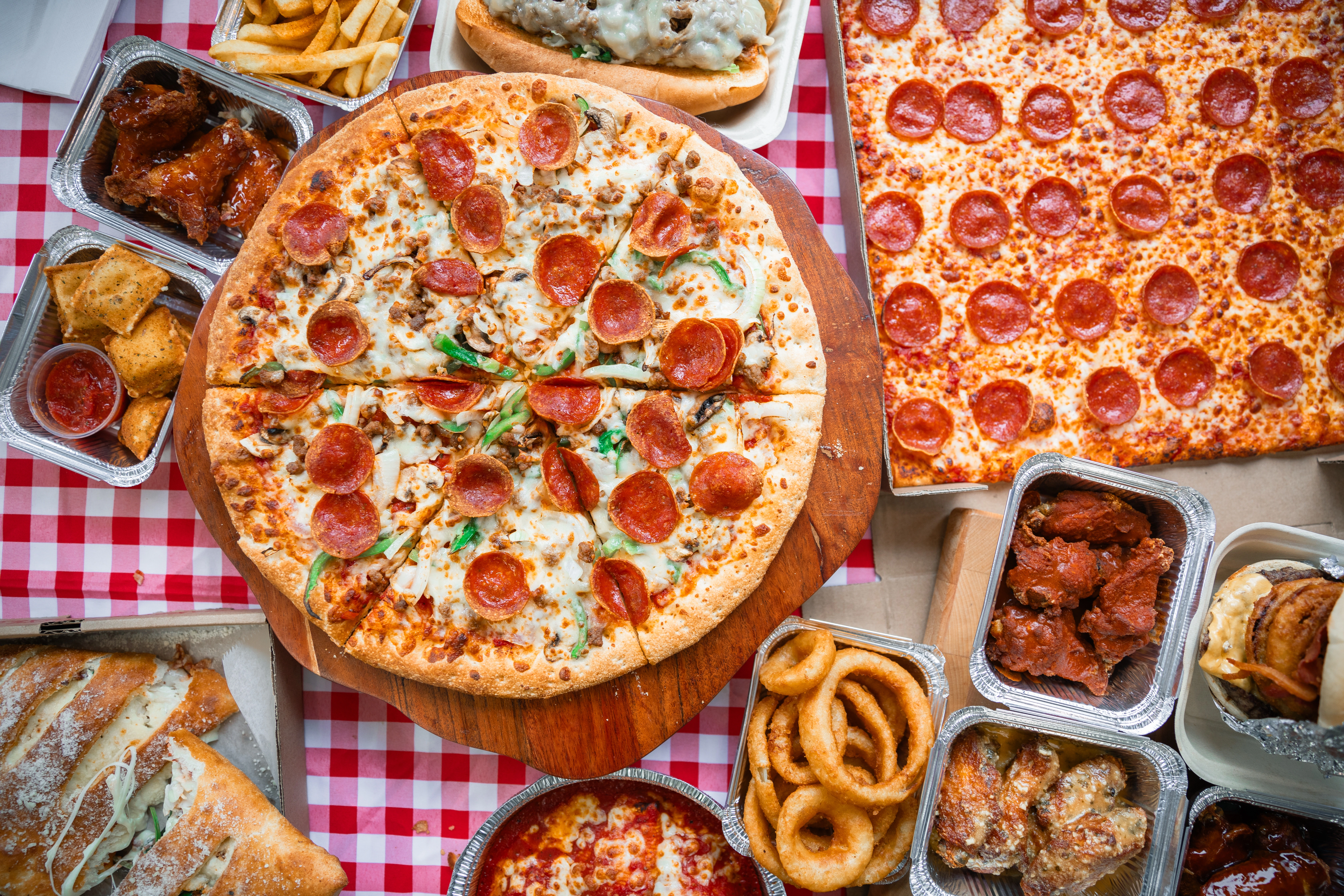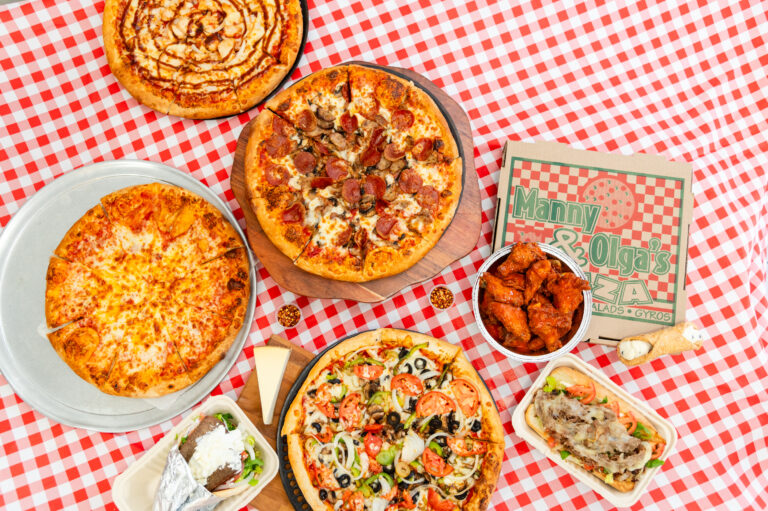
That first bite of pizza hits fast. Cheese, crust, toppings, and pizza sauce all arrive at once, and somehow it either works or it doesn’t. Most people credit the toppings or the crust, but the sauce is doing quiet, steady work underneath all of it.
It sets the flavor foundation before anything else gets a chance to shine. In this blog, we’ll walk through what makes great pizza sauce taste balanced, how it differs from marinara sauce, and why sauce matters when you are choosing a local pizza spot.
Great Pizza Sauce Starts With Balance
Good pizza sauce is several flavors working together. Tomato brightness, a little sweetness, measured acidity, salt, herbs, and savory depth all need to show up in proportion. The sauce should support the cheese and toppings.
When any one element tips too far, the whole slice feels off. Too sweet, and the pizza tastes flat. Too sharp and the acidity wears you down. Too watery, and the crust goes soft. Too heavy, and nothing else gets through. Balance is the goal, not a single dominant note.
Texture Matters Because Sauce Has to Survive the Oven
Good pizza sauce needs enough body to stay on the dough without soaking into it. A watery sauce weakens the crust before the pizza even reaches the oven. But a sauce so thick it resembles tomato paste loses its fresh, clean flavor and can taste dense and flat by the time it’s done baking.
The full pizza build matters here. Dough thickness, cheese melt, topping weight, oven heat, and even delivery time all affect how the sauce tastes when it reaches you. A sauce that survives all of that and still tastes bright and balanced is doing its job well.
Pizza Sauce vs Marinara Sauce: What Is the Difference?
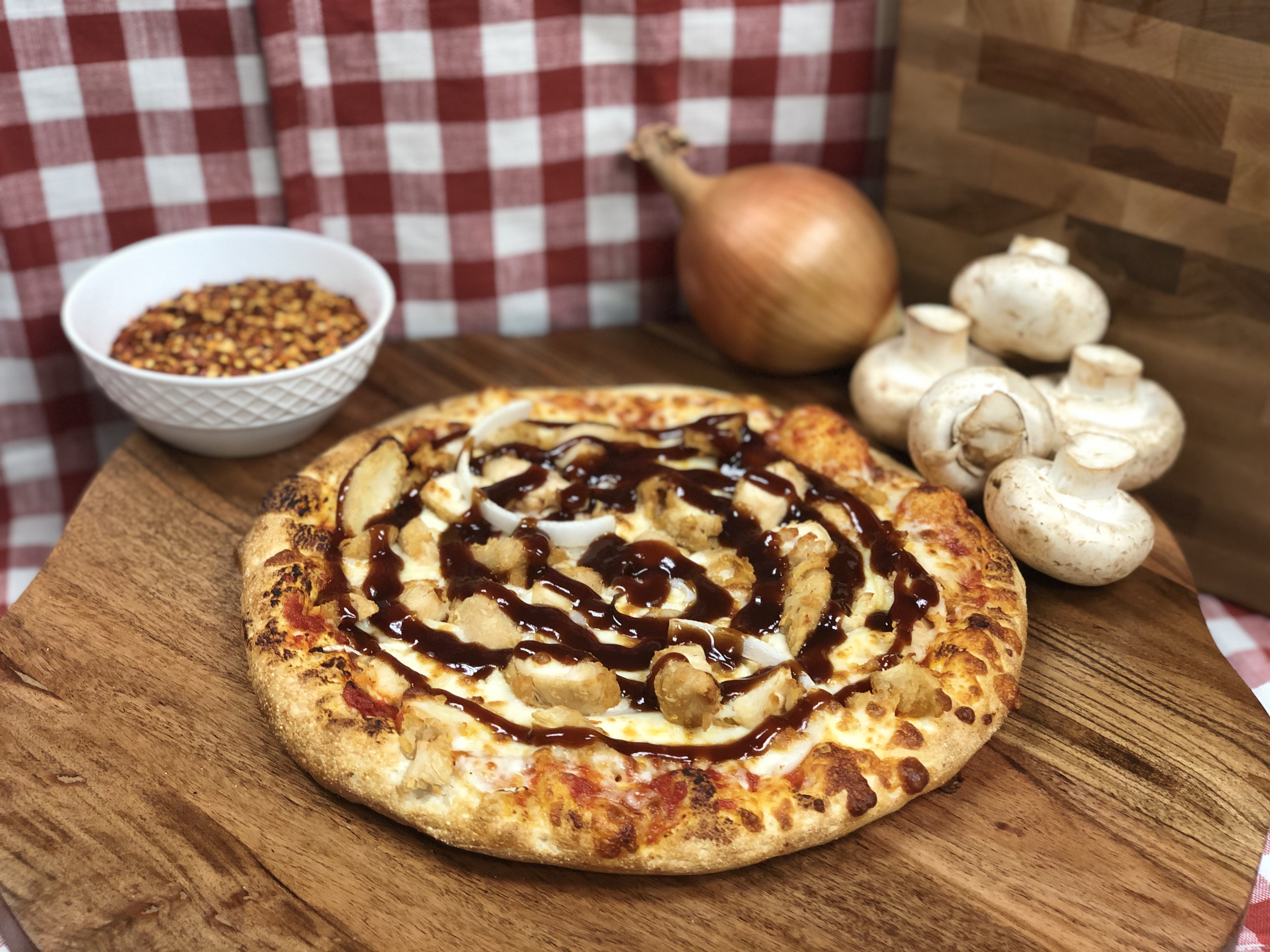
The two are related but not the same. Pizza sauce is built to go into the oven. It bakes under cheese and toppings, so it needs to hold its flavor and texture through heat.
Marinara sauce, on the other hand, often works best as a finishing sauce, used for pasta, dipping, or dishes where it stays more visible and less cooked down.
The same tomato-based flavor can play different roles. Marinara sauce can stand on its own with pasta, garlic bread, subs, and parmesan-style dishes, while pizza sauce has to work as part of the bake.
When Marinara Sauce Works Best
Marinara sauce shines in dishes where it gets to stay front and center. Garlic bread, pasta, subs, and parmesan-style dishes all let the sauce speak clearly without disappearing under a layer of melted cheese. It also works well as a dipping sauce on the side.
When you see marinara sauce across different comfort-food categories, it makes sense, because the same bright tomato flavor that lifts a pasta dish also makes a great dip.
When Pizza Sauce Has to Do More
Pizza sauce takes on a harder task. It has to bake evenly, hold its flavor under a full layer of cheese, and stay balanced no matter what toppings land on top. It still needs to be noticeable, because a pizza with no detectable sauce tastes hollow, but it cannot take over either.
The slice should taste like a complete thing, not like one ingredient showing off.
The Sauce Has to Match the Dough, Cheese, and Toppings
Sauce cannot be judged in isolation. It has to work with everything around it. The dough, cheese, toppings, and oven all shape how the sauce performs. That context matters when thinking about how pizza sauce fits in.
A pepperoni pizza needs enough acidity in the sauce to cut through the richness of the meat. A veggie-loaded pizza needs a sauce with enough presence to avoid getting buried under layers of toppings.
A plain cheese pizza puts the sauce almost directly in focus, with only crust and cheese sharing the stage. The right pizza sauce shifts slightly based on what it’s supporting.
What People Mean When They Search for Best Pizza in DC
When someone searches for the “best pizza in DC”, they’re rarely thinking about one ingredient. They want flavor they can count on, fast ordering, reliable delivery, and a slice that satisfies whether it’s lunch or a late-night craving. Sauce is one piece of that larger picture.
For a local pizza spot, that means the basics have to hold up: hot food, easy ordering, reliable delivery or carryout, and a familiar taste that makes you want to come back. That kind of consistency comes from getting every layer right, including the pizza sauce underneath it all.
Finding the best pizza in DC often comes down to finding a spot where nothing is an afterthought.
How to Taste Pizza Sauce Like a Regular Customer
You don’t need to think like a chef to notice good sauce. You just need to pay attention. On your first bite, check whether the sauce is present. Then notice how it sits with the cheese. Check the crust edge, take a bite of a heavy-topping slice, and, if you have leftovers, see how the slice tastes reheated.
Start With a Cheese Slice
A plain cheese slice is the clearest way to taste pizza sauce on its own terms. With fewer toppings in the way, the balance between tomato, cheese, and crust comes through more directly. If the sauce tastes bright and clean without any single note overwhelming the others, that’s a good sign.
Then Try a Topping-Heavy Slice
A loaded slice tests whether the sauce can still show up without becoming overpowering. In local pizza, consistency matters most. Delivery and takeout add time and distance, and a sauce that holds its flavor through that journey is one worth ordering again.
Why Sauce Is Part of Manny and Olga’s Local Comfort-Food Appeal
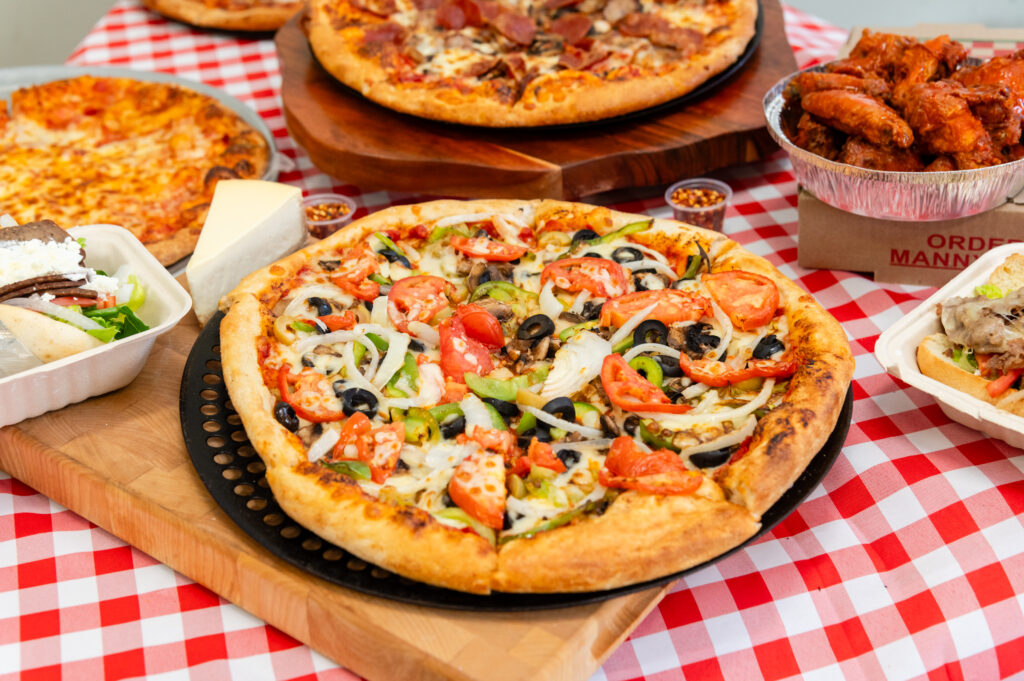
Sauce connects the pizza to everything else on the Manny & Olga’s menu. That tomato-forward comfort shows up across the menu, from Italian house specialties and Parmesan subs to sides that pair well with marinara.
For over 30 years, we have served communities across Washington, DC, and Maryland, including Bethesda, Georgia Ave, Silver Spring, and many more, building our menu around dough made from scratch daily at each location, quality ingredients, and the kind of food that feels familiar and filling.
Pizza sauce is one of the things that ties the whole menu together, from a late-night delivery pizza to a lasagna or baked ziti on a weeknight. When the sauce is right, the whole meal lands the way it’s supposed to.
FAQs
What makes a good pizza sauce?
A good pizza sauce balances tomato flavor, acidity, light sweetness, seasoning, and a texture that will not make the crust soggy.
Is pizza sauce the same as marinara sauce?
Not exactly. Pizza sauce is built to bake on pizza, while marinara sauce is often used for pasta, dipping, and finished dishes.
Should pizza sauce be sweet or tangy?
It should have a little of both, but neither sweetness nor acidity should overpower the slice.
Why does sauce matter so much on pizza?
Sauce connects the crust, cheese, and toppings, so the whole pizza tastes balanced.
Can I get marinara sauce at Manny & Olga’s?
Yes, we offer marinara sauce in several house specialties and subs, as well as in our available sauces.
Taste the Difference in Your Next Manny and Olga’s Order
Great pizza sauce is balanced, textured, tomato-forward, and built to carry the whole slice. It doesn’t shout, but you notice when it’s missing. Every pizza at Manny & Olga’s is built on dough made from scratch daily at each location, and the sauce reflects that same commitment to getting the basics right.
Next time you order from Manny & Olga’s, start with the slice. Notice the pizza sauce, the crust, the cheese, and the way it all comes together, then build the rest of your order from there.
Order online from Manny & Olga’s and taste how the sauce, crust, and cheese come together.